
As a budding Indian psychiatrist, I increasingly observe a significant shift in psychosocial stressors affecting adolescents and young adults. While academic pressure, career uncertainty, and parental expectations continue to shape psychological distress, an additional and less openly acknowledged burden has emerged in the modern era – the pressure to visibly perform a desirable lifestyle. For many young individuals today, experiences appear to derive meaning only when they are publicly displayed, validated, and acknowledged.
The showcasing of brands, premium experiences, curated travel, high-end gadgets, and carefully constructed visual aesthetics has gradually transformed into markers of social legitimacy. Social media platforms serve as both a stage and an audience, where daily life is continuously shared, evaluated, and compared. Absence from this digital narrative often translates into fear of missing out, social invisibility, or perceived inadequacy.
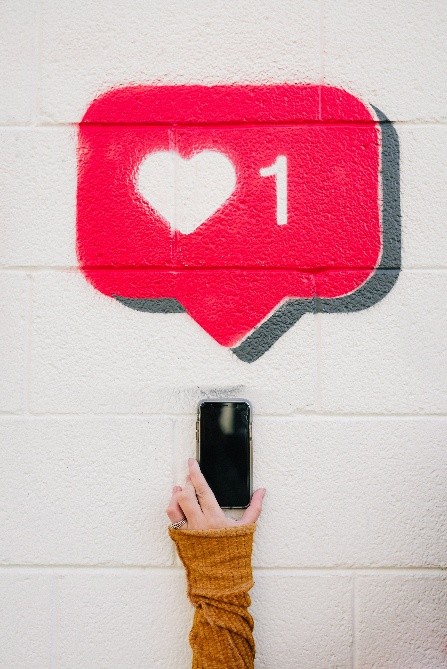
This phenomenon reflects a deeper psychological shift from an internally anchored sense of self-worth to one that is externally mediated. Validation is increasingly derived from digital reactions such as likes, shares, views, and comments rather than meaningful interpersonal feedback. The transient nature of online content, particularly disappearing stories and short-lived trends, further intensifies this cycle. Individuals feel compelled to remain constantly updated, engaged, and visible, leading to a persistent pressure to perform and curate an idealised version of the self.
When external validation is delayed, absent, or perceived as insufficient, many individuals report heightened anxiety, self-doubt, and emotional distress. Clinically, this distress may manifest as reduced self-confidence, social withdrawal, irritability, fatigability, and a persistent sense of inadequacy.
The perceived gap between one’s real-life circumstances and the curated lives portrayed online contributes to maladaptive social comparison and distorted cognitive patterns, even in otherwise high-functioning individuals. Routine psychiatric assessment may therefore benefit from sensitively exploring validation-seeking behaviours, patterns of social media use, the emotional significance attached to online feedback, and the role of branded or aesthetic display in self-definition. The goal is not to pathologise digital engagement, which remains an integral part of modern social life, but to help individuals cultivate internal stability and a more grounded sense of self-worth.
Dr. Mahima Shivani
Junior Resident
Department of Psychiatry
MGM Medical College, Indore

Well put. Relevant in today’s world.
Nice ,👌🏻