Udta Punjab (2016) is a Hindi film that explores the severe drug abuse problem in Punjab and its deep psychological, social, and psychiatric consequences. From a psychiatric perspective, the movie is a strong depiction of substance use disorders, their risk factors, manifestations, and impact on individuals and society.
The character Tommy Singh, a popular rock singer, represents an individual with substance use Disorder, mainly cocaine and alcohol dependence. His behavior shows classic features of dependence, such as craving, loss of control, tolerance, impulsivity, aggression, and continued substance use despite harmful consequences. He also displays personality traits like narcissism and poor insight, which worsen his disorder. His denial of illness initially reflects the pre-contemplation stage of change, commonly seen in patients with substance use.
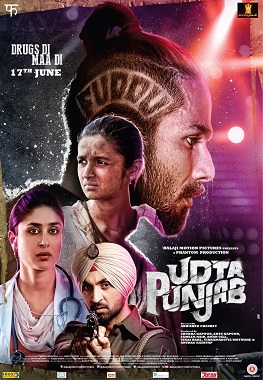
Sartaj Singh, a police officer, shows the emotional and moral conflict faced by individuals exposed to widespread substance abuse. His guilt, helplessness, and frustration can be viewed through a psychiatric lens as adjustment reactions and moral injury, highlighting how substance use affects even those who are not direct users.
The character Bauria, a migrant worker, presents the most disturbing psychiatric aspects. She is exposed to forced drug trafficking, physical abuse, sexual violence, and severe neglect. Her condition reflects acute stress reaction and post-traumatic stress disorder (PTSD). Symptoms like fear, dissociation, emotional numbness, and helplessness are clearly portrayed. Her drug use begins as coerced exposure, showing how social vulnerability increases the risk of substance and trauma-related disorders.
Dr. Preet Sahni, a doctor, represents the role of healthcare professionals in addiction psychiatry. She emphasizes detoxification, rehabilitation, psychotherapy, and harm-reduction approaches. Her character highlights the importance of motivation, social support, and long-term treatment rather than punishment. The film strongly supports the view of addiction as a medical and psychiatric illness, not a moral failure.
From a broader psychiatric perspective, Udta Punjab highlights social determinants of mental health, including unemployment, peer pressure, corruption, availability of drugs, and lack of awareness. It also shows the stigma associated with addiction, which delays treatment and worsens outcomes.
In conclusion, Udta Punjab is a powerful cinematic representation of substance use disorders and trauma-related psychiatric conditions. It underlines the need for early identification, de-addiction services, psychological support, and policy-level interventions. The film effectively educates viewers about addiction as a chronic psychiatric disorder requiring empathy, treatment, and rehabilitation rather than blame or punishment.
Dr. Kamlesh Rao
Junior Resident
LLRM Medical College, Meerut
