Shakespeare worked his way through my mind as I pondered over the question that my student had posed to me. “What difference does it make if I call my patient a schizophrenic or a person with Schizophrenia? Aren’t they both the same?” I knew the answer, but this time the question gnawed its way to retrieve the famous adage, “What’s in a name? That which we call a rose, by any other name would smell as sweet.” It makes a lot of difference.
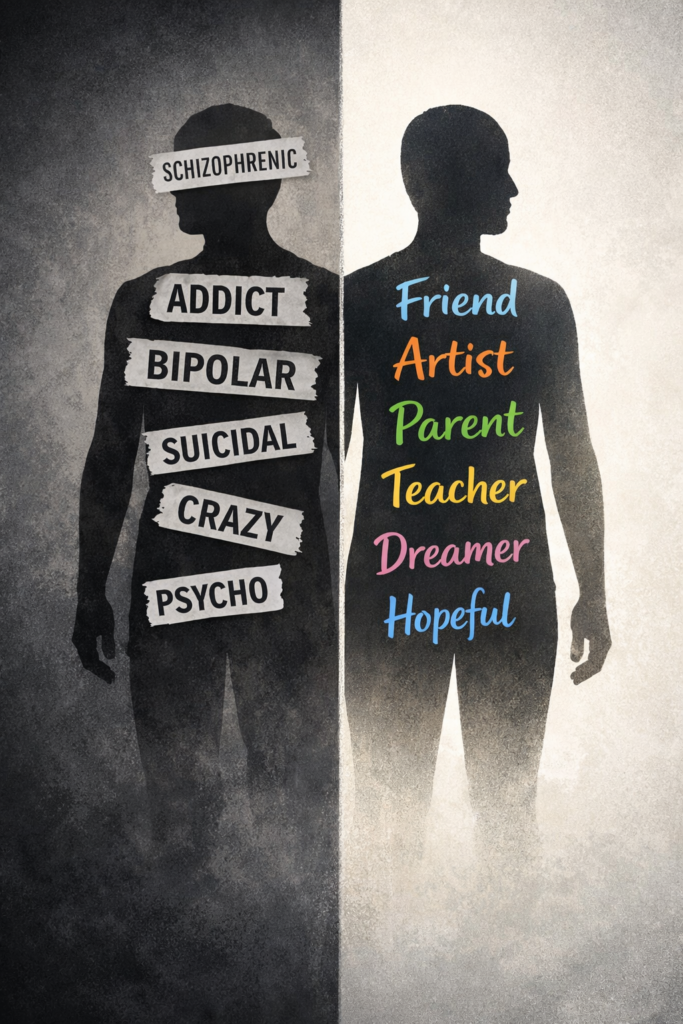
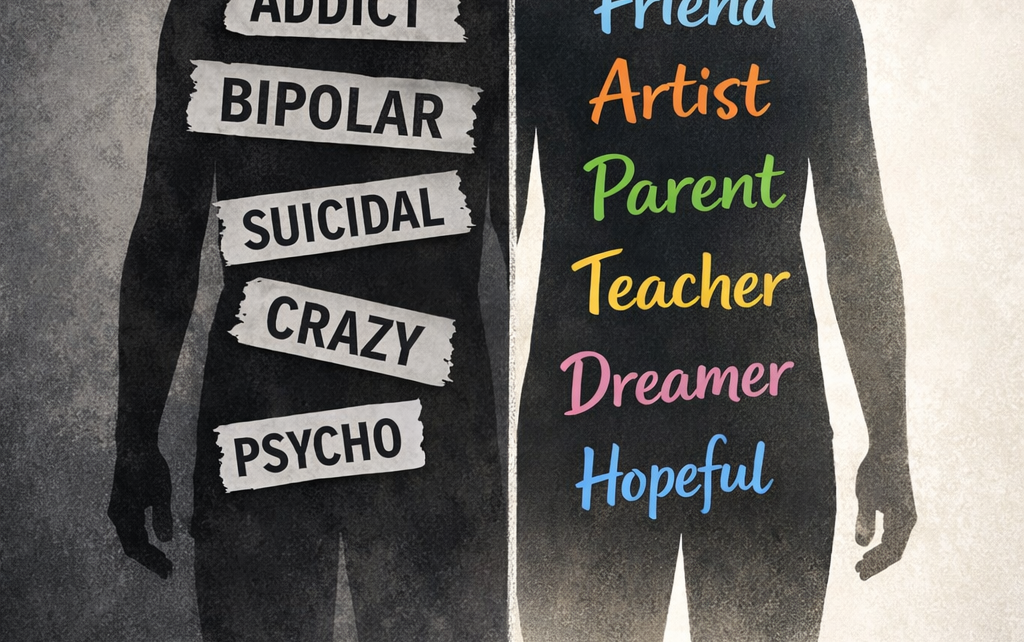
Words are not just a neutral carrier of meaning. They are the vessels that carry the weight of history and judgment in them. When we say, “a schizophrenic”, the affliction subsumes their entire identity. The diagnosis becomes like an identity card hanging on their neck. When we say “a person with schizophrenia”, we acknowledge an individual who has multiple other identities – maybe of a son or a daughter, a productive employee, or a creative artist.
It makes a difference when you say “committed suicide”, where suicide was an act of volition, placing the blame on the person for making that choice. It echoes of the time when suicide was a crime, and the individual was culpable for the same. When we say, “a person died by suicide”, we frame suicide as a cause resulting from diverse psychosocial factors. It is a difference of saying that a person “committed myocardial infarction” or “died by myocardial infarction”. The difference is in placing a person on trial vs placing a disorder on trial.
In clinical practice, the difference may just sound semantic. But for the individuals who suffer from these disorders, the difference can be much more than being semantic. Labels influence how we talk about mental illnesses, about how government allocates resources, media reports news, and how individuals view themselves. An individual is not just their diagnosis.
Using the right words can be one of the most useful weapons in our fight against stigma and discrimination that patients with mental Illnesses have to face. Addressing individuals carefully and avoiding pejorative terms are not mere linguistic exercises. They are ethical choices. We may not win stigma overnight just by changing how we speak. But we may lessen the blow.
Warm Regards,
Dr. Priyash Jain
Editor, Minds Newsletter