“When will it get better, Doctor?” your patient asks. And somewhere inside you, a quieter voice asks the very same thing.
Before we reach for the textbook, sit with that for a moment. Because stress is not something we will only encounter in our patients, many of us are already living it.
Hans Selye defined stress in 1936 as the nonspecific response of the body to any demand placed upon it. Not a feeling. Not a weakness. It’s a response, biological, measurable, and in many ways, necessary. The stressor is the trigger; the stress response is what the body does with it. The same stressor can devastate one person and leave another untouched, because perception shapes everything.
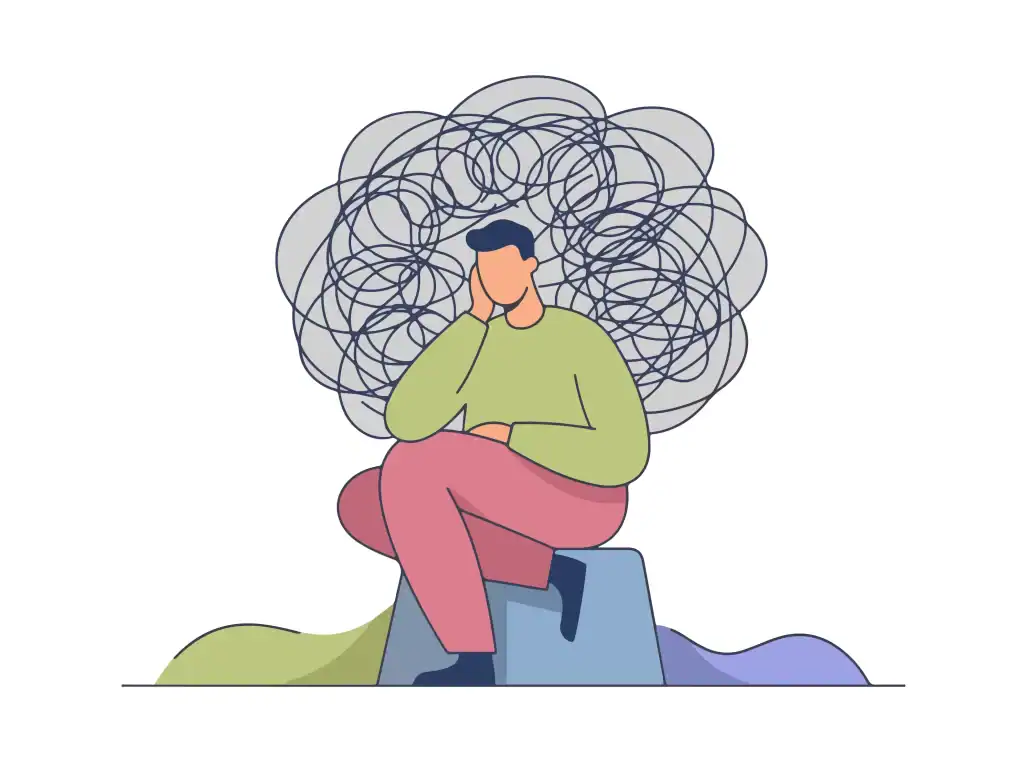
Two axes activate when the mind perceives a threat. The Sympatho-Adrenal Medullary axis fires within seconds. Epinephrine and norepinephrine flood the bloodstream, the heart races, and glucose rises. This is fight-or-flight: ancient, efficient, designed for short bursts, not for years of quietly carrying something heavy. The Hypothalamic-Pituitary-Adrenal axis then follows. The hypothalamus releases CRH, the pituitary releases ACTH, and the adrenal cortex releases cortisol. In the short term, cortisol is protective. When the threat never resolves, it becomes destructive: immune suppression, insulin resistance, hippocampal atrophy, and cardiovascular damage. The body was never meant to stay switched on.
Selye mapped this trajectory as the General Adaptation Syndrome – Alarm, Resistance, Exhaustion. Most chronic illness lives somewhere in that second and third stage, accumulating quietly before it surfaces.
Exercise reduces cortisol. Mindfulness quiets the noise, and the research agrees. Social connection attenuates the HPA axis through oxytocin in ways no pill has replicated. And if it ever feels like too much to carry alone, it is okay to seek help. Reaching out to a professional is not a last resort; it is an act of courage.
You will meet patients where the stress is invisible, wearing the face of chronic pain, unexplained fatigue, a sadness that will not name itself. You will know what to look for now. I hope you also carry this: the willingness to look honestly, in your patients and within yourself.
That is where good medicine begins.
Dr Sahar Khan Ghori
PDF in Child and Adolescent Psychiatry
St. John’s Medical College